What is Journalistic Writing?
News Organizations use a journalistic writing style to put together a story. The main information is placed at the top. The Associated Press Style (also called AP Style) is a set of guidelines for news articles. It focuses on grammar and vocabulary. Journalists now report on current events, human interest stories and other news for podcasts and online media.
8 Tips on How to Write like a Journalist
Journalists use a formula to create a story. This approach can be used for any type of writing from high school assignments to novels. This is a good way to communicate information in a manner that readers can understand. For your next story, follow these eight tips for journalists:
1. Collect the information. Collect the information needed to create your story. For non-fiction stories, as in journalism, you may need to visit the place where the story is set, interview witnesses, or people who were involved, and use online search engines to do further research.
2. Find Your Angle. Each news item has a theme or focus that makes it interesting. A story of human interest will have a completely different angle from a political article that is hard hitting. The first paragraph of a news story will reveal the angle. You can present your angle in the first page or paragraph of the story.
3. Write a strong lede. A great introduction is essential to every story. This is what news writers call a headline. This paragraph answers the five Ws: who? what? where when why? This is the foundation of every good story. It doesn’t matter if it’s a fictional tale, technical writing or a marketing article. Start with a summary that grabs the reader’s attention.
4. Structure Your Information. In good journalism, the story’s information is presented in the pyramid structure. The lede is the most important part of the story. The body of the story contains all the supporting details. The bottom section of the pyramid contains extra information which may be useful to the audience. It’s still important to start your story with the who-what-why, where-when of the story.
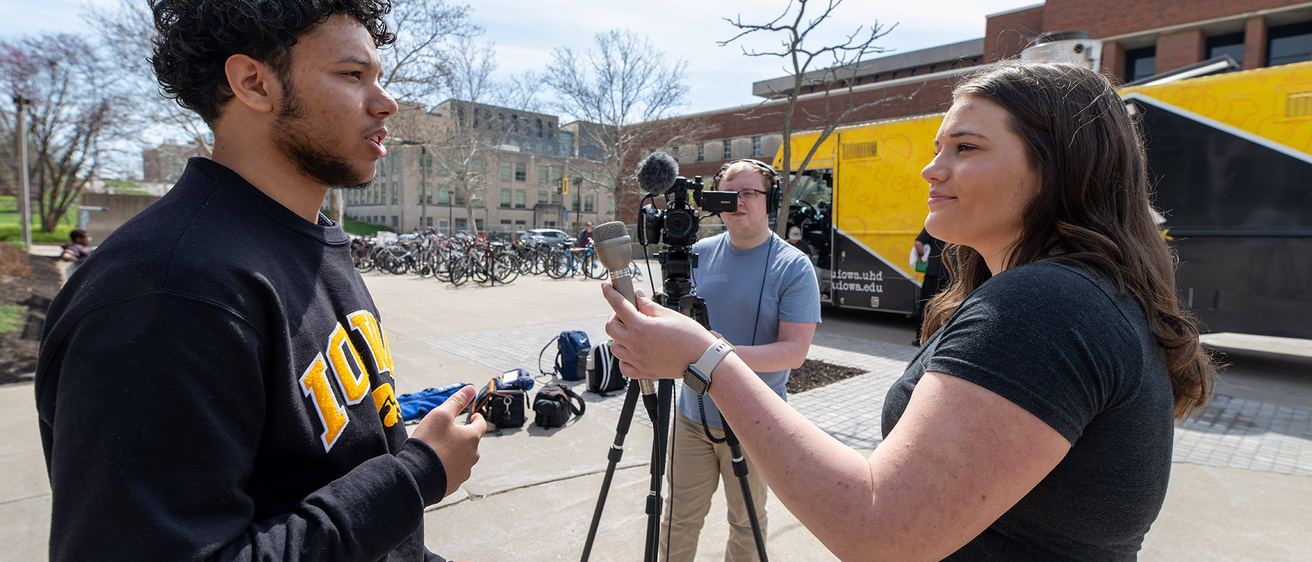
5. Use quotes. Interviews with those involved in the story are a part of good journalism. This gives the reporter a different perspective and allows him to remain in the role as an outside observer. It is similar to the third person point of view of a novel or short story. Quotes are important to a well-rounded non-fiction piece. In fiction, characters will quote through dialogue.
6. Simply write. Journalists often use short sentences when delivering a story. The active voice is often used in news writing, as opposed to passive voice. She drove the car, not “The car was driven” The active voice has a faster tempo, is more direct and uses fewer words. Think like a copywriter to improve your writing skills. The main goal of copywriting is to communicate clearly and concisely.
7. Verify your sources. To tell true stories, a journalist must gather information from multiple sources. To ensure accuracy, reporters must verify information obtained from their sources. When you submit your freelance story, always include links to the sources of information you used and the phone numbers for all people you interviewed.
8. Edit your work. In a newsroom, stories are constantly being passed from writers to editors. Writers should spell-check and edit their work to ensure clarity and content. You can learn from the news and ask a professional to edit your story before publishing.